
Indonesia’s nickel gamble and the future of clean tech
Indonesia holds the world’s largest nickel reserves, critical for EVs. But export bans, foreign-led smelters, and local impacts show how “green” supply chains are reshaping power and the planet.

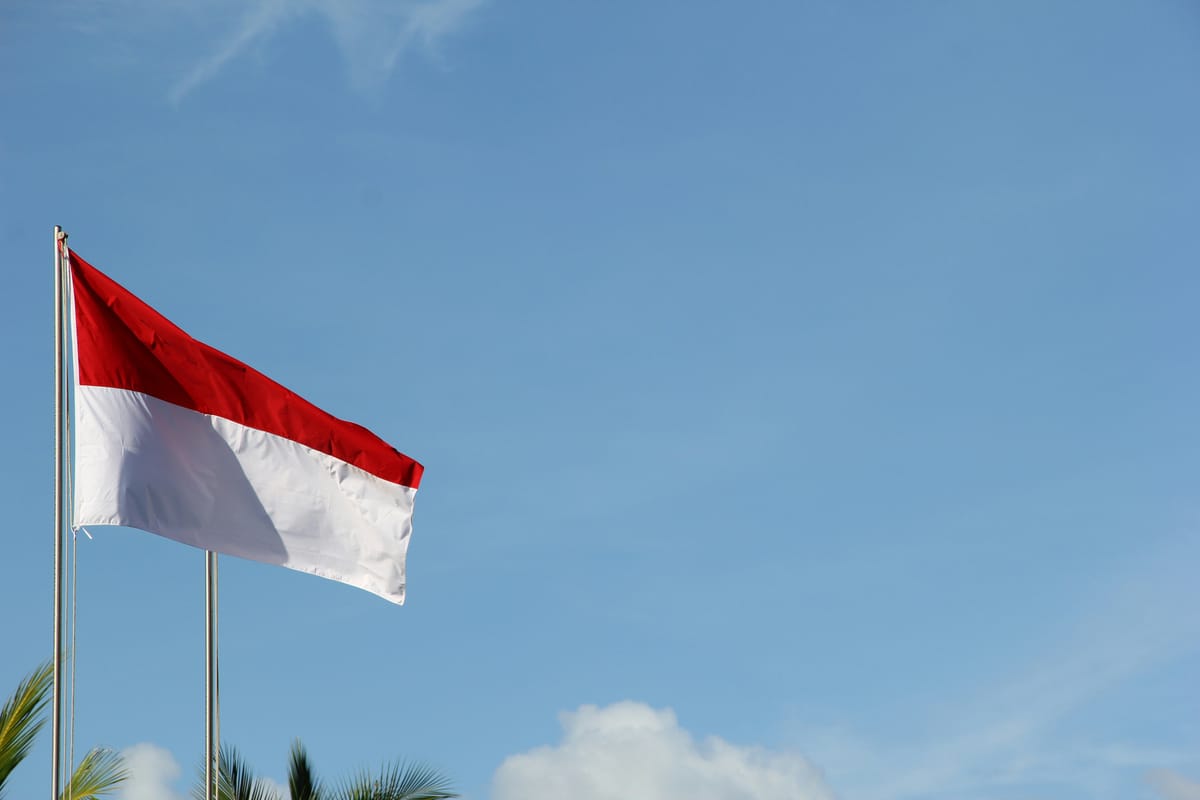
The island nation is betting its nickel reserves will make it indispensable to the EV transition. Behind the headlines sit questions of sovereignty, climate trade-offs, and who really benefits.
Nickel doesn’t command the buzz of lithium or cobalt, but it does underpin the EV transition. And Indonesia, sitting on some of the world’s largest reserves, has made those ores a political bet with global consequences.
Why? Well, high-nickel chemistries dominate many electric vehicle (EV) batteries because they enable a higher energy density that results in a longer range. Without nickel, the global pivot to EVs would be slower and costlier. The International Energy Agency has been pretty blunt on this point: battery metal supply chains, the open availability of these materials, will shape the very pace and price of our efforts toward global decarbonization, and nickel is a core constraint (IEA).
Indonesia, which sits at the center of this story, has major nickel reserves in Sulawesi and Maluku, and Jakarta has spent a decade turning its native geological assets into political leverage: banning raw ore exports, persuading processors to build domestically, and pitching the country as a hub for the greentech supply chain. On paper, this is resource nationalism 101: don’t export rocks; export value.
Sovereignty and smelters
President Joko Widodo made “downstreaming” the policy bedrock: export bans in 2014 and again in 2020 forced the hand of buyers, especially Chinese companies, to take investment more seriously, pouring billions into local smelters in Morowali and Weda Bay. As a result, Indonesia now hosts dozens of processing facilities and has surged up the value chain.
Sovereignty, however, comes with caveats, and much of the invested capital, engineering, and operational control remain under the management of foreign partners. Chinese groups in particular dominate the midstream, something that gives Jakarta a production footprint, but can keep technology, real margins, and critically, pricing power, offshore. This is exactly the gap that critics highlight in trade disputes and policy briefings (Jakarta Post).
Perhaps the WTO scuffle with the EU over Indonesia’s bans best captures the tension: Brussels says the restrictions distort trade; Jakarta responds they’re a sovereign tool that powers industrialization. Either way, the policy has succeeded in developing a network of smelters, but does not yet guarantee that the higher-value steps (advanced refining, cathodes, cells, vehicles) will reside in Indonesia at any viable scale.
Climate contradictions
There’s also a thornier problem. Many Indonesian smelters run on coal-fired power, making nickel, otherwise a purported enabler of greentech, paradoxically carbon-intensive at the point of production. To put this in context, the IEA’s lifecycle work warns that such embedded emissions can undermine the climate case if standards trend towards tightening in buyer markets as a result of the regulatory push for decarbonization (IEA).
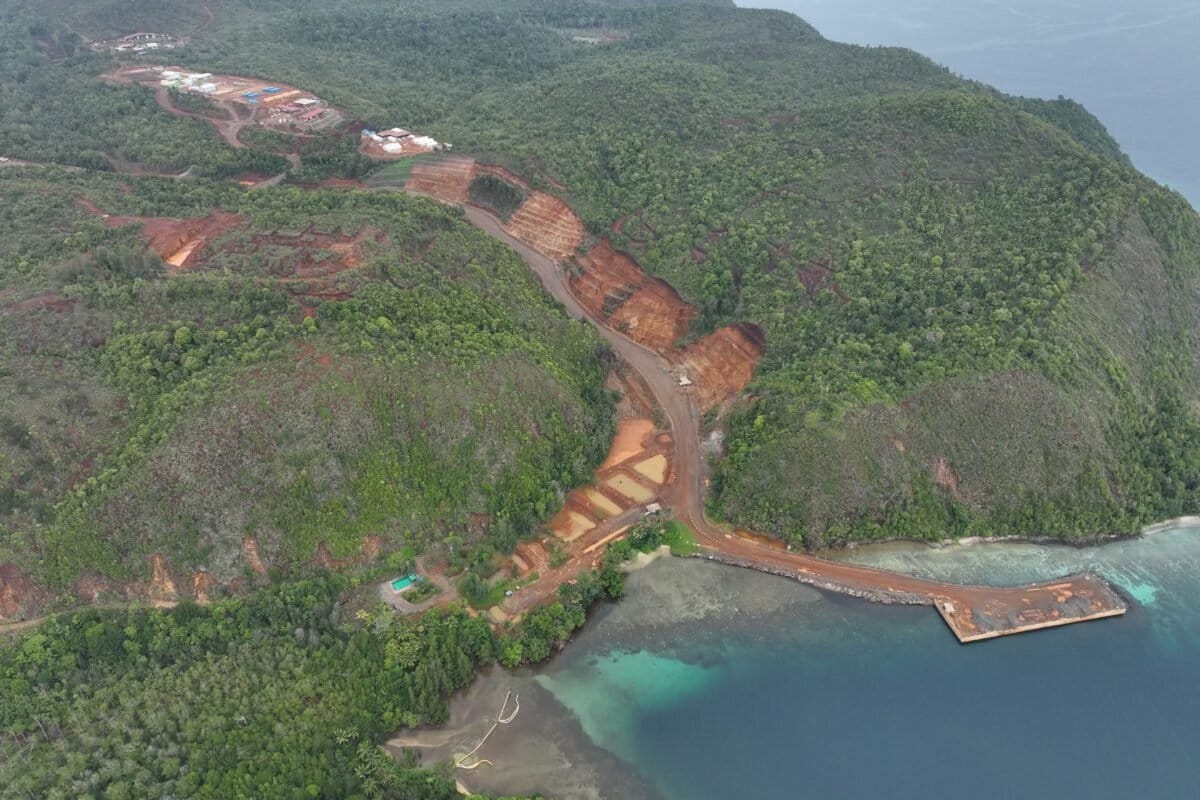
This leads us to the highly visible effects of this industrial upsurge: the environmental damage is local as well as global. Open-pit mining in Sulawesi has scarred rainforests and sullied waterways; tailings pose an open-air risk; dust and diesel pollution is endemic around processing hubs; and the inevitable local community displacements have all sparked protests and widespread litigation.
In addition, on-the-ground reporting has documented health complaints, fish stock declines, and contested permitting around smelter zones, all evidence that the energy transitions upstream can all too easily reproduce the familiar ‘extractive dynamics’, including outright tragedies as with the recent landslides, unless a reliable framework of transparent governance can catch up (Mongabay).
The EV race
Jakarta’s ambition, however, isn’t only to play the role of materials provider, selling intermediates upstream; it is to build batteries, and eventually the cars that use them, at home. Joint ventures with Korean and Chinese firms have laid the groundwork for some cathode and cell capacity, and assembly lines have already begun shipping. If the strategy works, Indonesia will graduate from quarry to manufacturing platform, retaining more of the value chain and stabilizing its export earnings.
The danger for Indonesia is getting stuck halfway up the ladder just as it feels sure footing: doing the dirty work of processing ore while the real profits stay overseas. This is why rules of origin, green standards, and access to key markets matter. If Indonesian nickel or nickel-based parts fail to qualify for U.S. and EU clean-industry incentives, say because of high carbon footprints or supply-chain rules, then the whole economics of Jakarta’s pitch could find it doing the dirtier work while the cleaner profits stay abroad.
The geopolitics of minerals
Nickel, front and center, is now diplomacy. China is both Indonesia’s largest investor and technical partner in smelting; South Korea and Japan are vital in downstream EV components; while the U.S. and EU are potential end-markets, although strings are attached. The Inflation Reduction Act in the U.S. and EU critical minerals policies set conditions for access to subsidies on supply chains that both exclude “foreign entities of concern” and meet ESG criteria. This creates the necessary impulse pressure toward cleaner power, stronger labor standards, and more transparent contracts.
And this is why Jakarta is seeking tailored critical minerals understandings with Western nations, even as it keeps the running Chinese investment tap open. The diplomatic balancing act is to sell to everyone while ceding control to no one. In practice, this means several things: proving the nickel is traceable, demonstrating the power mix is decarbonizing, and ensuring communities see tangible benefits. Otherwise, those same laws that promise market access could quietly close the doors.
Communities at the sharp edge
All of this has to land somewhere, and it does so the hardest on the villages near mining and processing hubs that have seen sedimentation in rivers, dust cover cropland, and fisheries under stress. Workers, both local and foreign, have clashed over safety and pay, whereas “development” without consent becomes intractable delay: injunctions, blockades, political backlash. A steady stream of local reporting, such as the case in Raja Ampat, shows how quickly legitimacy erodes if grievance mechanisms and revenue-sharing are weak, while localized environmental damage is widely visible (Mongabay).
The lesson isn’t to halt the buildout, to quit operations. Instead, it is to govern it. Stronger environmental baselines, transition plans to cleaner power for smelters, credible community benefits, and transparent water/air monitoring are not public-relations fluff, they are the literal foundations of a strategically developed, long-term industrial interest, and the stark difference between resilience and swift failure.
Why this matters in daily life
Nickel, again so preeminent in the context of Indonesia’s economy, can be the critical hinge in the energy transition. Its availability and carbon profile shape the outcome of EV prices, model availability, and the pace of decarbonization that adoption of sustainable technologies needs to underpin. The dichotomy of choice is evident: if Indonesian nickel is abundant but carbon-heavy, automakers may pay more to source elsewhere or face the associated policy penalties, costs that show up both in price to consumer and speed of rollout. However, if governance lags, the aforementioned problems will create reputational risk and slow adoption. If standards do align and power can decarbonize, nickel stands to accelerate the national transition rather than hold it back.
For Indonesia, the gamble is maintaining that delicate balance to the point where a policy of adeptly governed resource nationalism can deliver more than just mines and smokestacks. For the rest of us, it is whether “cleantech” supply chains can realistically be built without repeating the social and environmental costs of the fossil era. “Green” does realize its promise without due attention paid to the environmental, the social, and the governance aspects. Hence the acronym.
The answer will likely be forged in places like Sulawesi, and revealed in the cars, phones, and power grids that will continue to shape our lives.
Read this. Notice that. Do something.
Read this: The IEA’s overview of how critical minerals (including nickel) condition the pace and cost of the clean-energy transition (IEA).
Notice that: Indonesia’s downstreaming push, think export bans, foreign-led smelters, and midstream control, has global ripple effects, and the tradeoffs are real (Reuters).
Do something: Read ground reporting on local impacts; it’s where “green supply chains” succeed or fail (Mongabay).
Previously on GYST: Industry 5.0, how the next industrial age reshapes who leads, who lags, and who controls the rules of production.
Next up: France’s African retreat.